Posted By American Med Spa Association, Friday, December 19, 2025


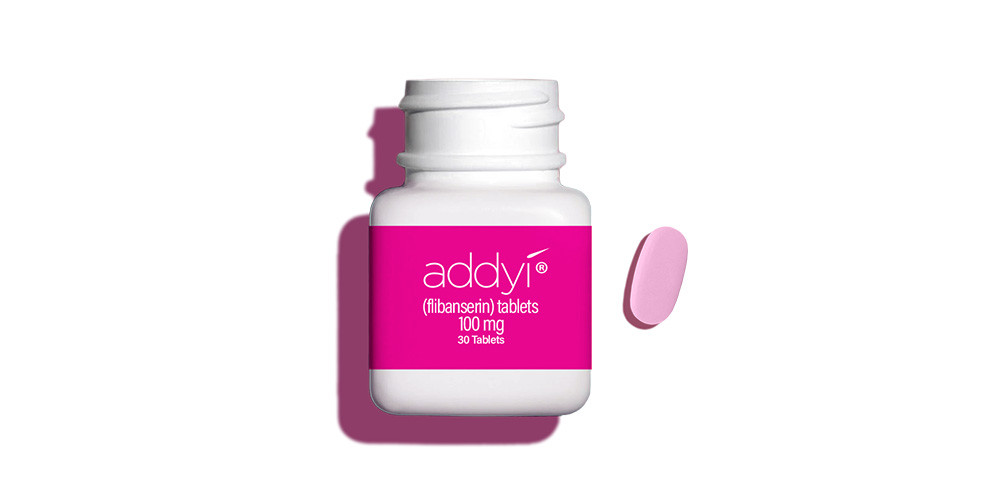
A long-awaited FDA decision now allows medical spa professionals to prescribe Addyi (flibanserin) for postmenopausal women under age 65 experiencing hypoactive sexual desire disorder (HSDD), marking a historic milestone in women’s sexual health care.
Sprout Pharmaceuticals announced on December 15, 2025, that the FDA has granted expanded approval for Addyi (100 mg daily) to treat HSDD in women younger than 65 who have completed menopause. Previously, Addyi was approved in 2015 only for premenopausal women, offering a nonhormonal treatment option by acting on brain neurotransmitters (serotonin, dopamine, norepinephrine).
This FDA expansion follows a Priority Review designation granted earlier in 2025, which reviewed data from its original submission (with 13,000 women aged 18 to 80). It’s estimated that while 40–55% of menopausal women experience low sexual desire, around 9% meet criteria for clinically diagnosed HSDD. This approval process took noticeably longer than for the main-stay solutions for men's sexual function.
Cindy Eckert, Sprout’s founder and CEO, emphasized that this approval “reflects a decade of persistent work with the FDA to fundamentally change how women’s sexual health is understood and prioritized.” She hailed it as a cultural and medical milestone validating women’s sexual wellness post-menopause.
"This historic milestone today is one decision, but it reflects a broader shift," Eckert shared on LinkedIn. "It represents inclusion—recognition that women’s health does not end at menopause, and that their experiences continue to matter.
Aesthetic practices are increasingly positioned as trusted wellness destinations. With Addyi’s expanded labeling, med spas can now offer support postmenopausal women under 65 with HSDD, ensuring comprehensive patient care that considers quality of life and sexual health.
Dr. Rachel Rubin, a sexual medicine specialist, commented: "So many of my postmenopausal patients have carried the weight of frustrating low sexual desire with no FDA-approved option to turn to," shared Dr. Rachel Rubin, urologist and sexual medicine physician, in a release. "Today's decision finally includes them. It's a critical acknowledgment that their pleasure, their wellbeing, and their quality of life matter — and that science-backed care should be available to every woman, at every stage of her life."
Aesthetics and its largest patient demographic celebrate innovations in women's health and will continue to support mission-forward businesses led by powerhouse women.

 AmSpa Connect
 Store
Store
 Customer Portal







 Back to All News
